
archives

Archive for April 2011

Healthy Mommy: How to Get Healthy So You Can Live Long Enough to Enjoy your Freedom When You Finally Frigging Get It

Here’s the thing. It’s not all about the kids. Moms deserve to take care of mom, too.

Whenever I’m on a mommy blog or website and I see something posted about health, it invariably seems to be about kids’ health. Now don’t get me wrong. Of course I want my kids (and everyone else’s) to be healthy. Kids need help with eating nutritious food, and moms need to know how to treat a fever, and all that. But…what about moms? We need to be healthy too.

And the truth? We’re not.

Well, not as healthy as we could or should be. See there was this study recently showing that moms are not taking care of themselves. Mothers reading this newsflash will react with a resounding “ya think?”. Even still, the cold truth is pretty painful. We’re not getting as much exercise as women our same age who don’t have children. We’re taking in more calories, gobbling more saturated fat and sugar. And we have higher BMIs (plainspeak: we’re fatter).

Not good, people.

However. It wasn’t this research that motivated me to start thinking hard about “mommy health”. The thing that really made this come home for me, personally, was reflection on another harsh truth: I love my kids…but they are stealing a lot of prime years from me. And when my head comes up from underwater again, when I finally get some freedom, when I finally get to hang out with my husband again on a regular basis…I want to be healthy and strong and look great. I want to be able to travel and do all the fun stuff that, okay, yes, I’m trying to squeeze in now in a “family” sort of way, but really will be so much more fun once my kids have flown the nest.

As long as I don’t have a stroke before I get there.

As long as I don’t have advanced osteoarthritis of my knees that makes a stroll along the Seine less than pleasurable. As long as I don’t have class 4 heart failure that makes flying to Capetown for a wine tour & safari impossible.

So that’s my motivation. (By the way, what’s yours?)

Of course the catch, here, is this: moms have no freaking time. I know. It’s ridiculous. I have survived a lot of stressful/time-pressured situations in my life (residency springs to mind), but it simply does not compare to the relentless time starvation of motherhood. 

So. Is there a way for moms to get healthy? Are there things we can do given the time constraints? 

You bet, sister.

Let’s begin with:

Eating Habits.

Step number one: stop eating discarded sandwich crusts. Stop wolfing down the leftover mac and cheese from your kid’s bowl, leave the abandoned mini-ravioli alone.

Of course the most sensible advice for nutrition is to only give your kids healthy food, then you’ll be eating healthy stuff too. Sounds logical, right? Well, what if you’ve got a super-picky eater? What if at your house, if you don’t serve hot dogs and chicken nuggets your kid won’t get any protein (for that month, anyway, until his tastes flip-flop again)? What if your kid completely refuses anything that even resembles a vegetable? If your children won’t eat whole grains, does that mean you don’t get to either?

Naturally, you do your best to help your kids develop healthy habits. But that project might have to be a whole separate venture. Struggling to get your kids to eat salad should be independent of allowing yourself a healthy life. I’m not saying you give up on your kids. You just have to take care of yourself…

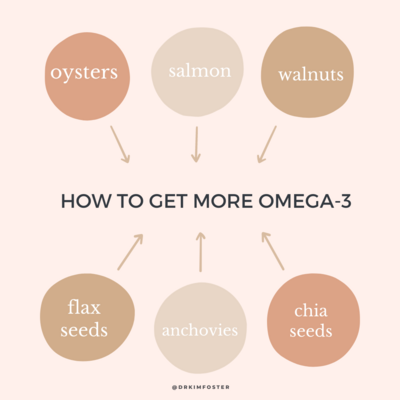
So you need to clean up your diet. Big topic (way more coming soon). But for now, one of the quickest & easiest ways is to add “superfoods”. Think: salmon, walnuts, tomatoes, spinach, olive oil, soy, avocados, broccoli. Check this article for more info. Sneaking superfoods into your diet is one of the easiest ways to improve your nutrition. Make a list, stick it on your fridge, throw these foods into your shopping cart when you’re at the store, and then slide them onto your plate at every opportunity. Even if it goes like this: grilled cheese sandwich, or….grilled cheese sandwich with slices of avocado on the side. Every little helps.

Next topic:

Supplements.

Granted, this may feel like a shortcut. And although I generally advocate healthy eating first (and not using supplements to fool yourself into thinking you’ve got a healthy lifestyle), if there is one life phase when you need to take a shortcut, this would be it. So what supplements should you take when you’re a mom with young kids? You may be in your twenties, thirties, or forties…but these are the supplements you should consider:

  • A multivitamin (continuing your prenatal vitamin will work just fine).
  • Vitamin D
  • Omega 3

There may be other supplements you may need, depending on your risk factors etcetera, but let’s keep this simple and manageable for now.

Mommy health is a BIG topic for me–I’ll be writing more in the near future. Coming soon, in Healthy Mommy Part 2: Exercise and Stress Management.

Coffee: Does Your Body Good?

Coffee has long been one of my favorite indulgences. Actually, let’s be honest. I can’t get through my day without visiting Starbucks. Even so…my sipping usually comes with a teeny bit of guilt.

Reasonable? Turns out, probably not. In fact, it looks like I just might be doing myself some good with my daily dose.

There’s a growing body of research showing a boatload of benefits to coffee. I’ve been sifting through the evidence lately, and here’s the roundup:

  • Coffee appears to be good for your brain. It decreases the risks of Parkinson’s and dementia, including Alzheimers.
  • It’s good for your cardiovascular health. Seems coffee decreases your risks of stroke and cardiac arrhythmias (abnormal rhythms of the heart).
  • Coffee helps prevent cancer. There’s evidence for prevention of the following types of cancer: bladder, breast, colorectal, endometrial, esophageal, liver, leukemia, pancreatic, prostate, oral cancers.

Prevention of dementia, strokes, and cancer? And all while enjoying my morning coffee? Me likey.

So what’s the deal? What makes coffee health food suddenly? The experts point to the multitude of phytochemicals in brewed coffee. Certainly there are plenty of antioxidants: polyphenols, flavonoids, and chlorogenic acid. Researchers have also isolated diterpenes in coffee, compounds known to be anticarcinogenic. What about the caffeine itself? More study is needed, but it looks like caffeine is one of the components that helps with brain health. For the other health benefits, it seems decaf might do the same job as full-caff versions.

What are the negatives? Well, if you overcaffeinate (more than 4 cups a day) your bone density can suffer. Coffee also increases heartburn, and worsens stomach conditions like ulcers. It also depends how you take your coffee: If you dump a whole lotta sugar in your cup, you’re going to be negating many of the health benefits. And if you’re pregnant? While studies suggest one cup a day is okay, more than that might increase your risk of miscarriage.

Bottom line: like so many things, don’t overdo it.

Vitamin Coffee? Drink up.

50 Ways to Deal with Stress

Ah, stress. Who isn’t stressed out these days? It seems like we’reall suffering time starvation, stretched between too many obligations. There’s work, family, school, dentist appointments…and all those pesky bills that keep arriving.

So. How bad is stress for us, exactly?

Bad.

Thing is, short term stress isn’t inherently harmful. It’s important for our bodies and brains to have the ability to ramp-up and deal with things thrown our way, after all. It’s unrelenting stress that’s a problem. Chronic stress does all sorts of nasty things to our health: from increasing blood sugar and cholesterol to causing headaches and depression, messing with our sleep, and even aging us faster.

Not cool.

So what’s a person to do? To get you started, I’ve compiled a list of stress-busting tips. Some of them are short-term quick fixes; others are more long-term strategies. A combo of both is the best approach to coping with stress.

  1. Practice saying no (resist taking on more responsibilities)
  2. Get back to basics: make sure you’re getting sufficient sleep
  3. Have a spinach salad (the magnesium in spinach helps regulate cortisol)
  4. Simplify and prioritize
  5. Practice yoga (ideally on a regular basis)
  6. Eat salmon (omega-3 helps with stress hormone surges)
  7. Spoil yourself with a manicure
  8. Focus on breathing
  9. Don’t skip breakfast (missing meals tells your body it’s starving, so it releases stress hormones)
  10. Nurture your spirit with nature (go for a hike in the woods) 
  11. Listen to classical music
  12. Treat yourself to a massage
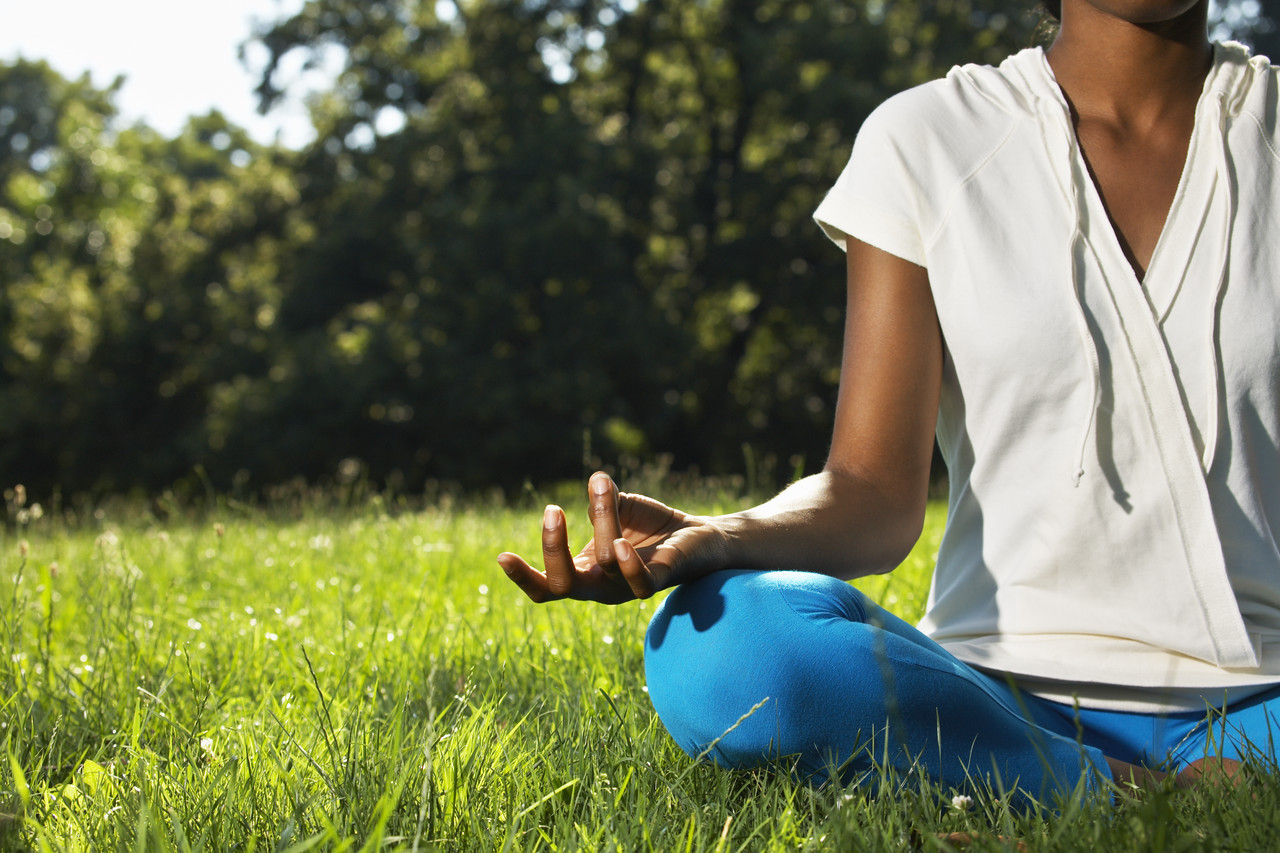
  13. Meditate
  14. Restructure your work schedule
  15. Make a habit of having a light bedtime snack of complex carbs
  16. Sing
  17. Drink tea, green or black (shown to decrease cortisol levels)
  18. Clean the clutter around you
  19. Lean on your support network
  20. Talk to your doctor
  21. Eat walnuts regularly (shown to decrease blood pressure during stressful events)
  22. Laugh (watch a comedy, or go out with friends)
  23. Eat small, frequent meals (prevent sugar/insulin/cortisol surges)
  24. Prioritize: make a list of things to do, and color-code it
  25. Mow the lawn (the smell of fresh-cut grass helps block stress hormones)
  26. Cultivate a supportive social network
  27. Walk daily
  28. Drink milk before bed
  29. Consciously think positive & optimistic thoughts
  30. Play a musical instrument (just for fun…don’t burden yourself with performance stress/anxiety)
  31. Volunteer with a charity
  32. Engage  in “dreamscape” (peaceful visualization)
  33. Soak in a bubble bath
  34. Eat oatmeal (complex carbs help lower stress)
  35. Pet your dog
  36. Get to bed early
  37. Drink orange juice (vitamin C has been shown to decrease cortisol levels)
  38. Write in a journal
  39. Practice progressive muscle relaxation
  40. Go for a walk by a lake, a river, or the ocean
  41. Chew gum (a study showed this decreases stress, anxiety, and improves mental performance)
  42. Have sex
  43. Get some sunlight
  44. Cut back on caffeine
  45. Savor an avocado (potassium helps to lower your blood pressure)
  46. Explore your creative self: paint, draw, take photographs
  47. Take a “time out”
  48. Surround yourself with the scents of lavender or rosemary
  49. Focus on your immediate surroundings (practice mindfulness)
  50. Breathe

Stress? Bring it on.

A footnote: This is a big topic, and this list is just the tip of the iceberg. I’ll be revisiting the issue of stress repeatedly, so check back.

In the meantime, here’s some more reading on stress solutions:


The Skinny on: The Sonoma Diet

This post is part of a regular feature I’ve got planned: reviews of popular diets. If there’s a diet you’d like me to review, send me a message, or use the comments below!

So…the Sonoma Diet. This was created by Dr. Connie Guttersen, a registered dietitian with a Ph.D in nutrition who lives in California.

Essentially, this is a diet inspired by the Mediterranean diet and lifestyle…with a weight-loss spin, and a nod to the cuisine of the California wine region Sonoma valley. (sidebar: love Sonoma; it’s where I got engaged. If you get a chance, you gotta visit!)

What I like about the Sonoma Diet:

For starters, recommending the Mediterranean diet is a solid approach. There’s heaps of research showing that the Mediterranean diet is supaah for your health. It lowers your rate of heart disease, cancer…all sorts of nasty stuff. It seems like every other day I come across another study touting the benefits of the Med diet.

Guttersen uses a “plate-and-bowl” concept for her diet, which I like. Super-easy to use, no-brainer and zero time involved. No counting calories or anything else. Just fill your plate or bowl according to simple percentages (think pie chart), depending on the meal. For example, in Wave 1: for dinner, use a 9 inch plate, and fill it with 30% protein, 20% grains, 50% veggies.

I like the lifestyle approach–the emphasis on whole foods and the enjoyment and pleasure of food. Too many diets are restrictive and, frankly, miserable. A recipe for cheating if you ask me. The Sonoma Diet is the opposite of this. (Very much in keeping with my Wicked Healthy philosophy, incidentally).

Guttersen frequently mentions the health benefits of this diet beyond simply losing weight, which is fab. It’s important to keep bigger health goals in mind beyond just looking good in a bikini. Like reducing heart disease, decreasing inflammation, preventing cancer. Guttersen repeatedly stresses the importance of power foods like olive oil and tomatoes (yum!)…foods that are loaded with nutrients and antioxidants.

Perhaps my fave part of this diet is that you’re encouraged to drink a glass of wine every day. Every. Day. Love it.

What I don’t like about the Sonoma Diet:

I’m not so crazy about the de-emphasis on cheese and dairy. I’m a fan of dairy. It’s a great source of protein, calcium…all sorts of goodies.

There’s no modification of the diet for men, for women, for people larger or smaller than average, or for varying activity levels. One-size-fits-all portions and proportions don’t make a lot of sense to me. Granted, there’s a little of this, when she mentions snacks, but not enough.

The meal plans are primarily structured around Breakfast, Lunch, and Dinner. To me, there should be more snacks. I think diets (and healthy eating, in general) works best if there are structured snacks between meals. Eating every 3 hours or so to keep blood sugar from doing major spikes and dips is the way to go. She really only says “you may” have a snack to tide you over.

The diet completely nixes sugar (including fruit) in Wave 1, and the idea is so you can “eliminate” sugar cravings by the end of those 10 days. And here’s where she loses me. I’m highly skeptical than anyone can forevermore lose their cravings for sugar by simply not having sugary stuff for 10 days. Pinning your hopes on this fantasy is a setup for failure. You really need to have a more realistic way of approaching sugar cravings.

In the third part of the diet, which starts after you’ve reached your target weight, Guttersen gets a little thin on the advice. I kinda felt like I’d been left to fend for myself here, and would have appreciated more specific guidelines and strategies in the maintenance phase.

I Would Recommend the Sonoma Diet for…

People who love food, love flavors, and love to linger over meals. (hmm…is there anyone who doesn’t fit into this category?)

People who enjoy cooking (and have time to cook). A key part of the diet is making your own meals. Granted, the recipes look/sound absolutely mouthwatering. But ya gotta have the time to make them.

People who aren’t looking for quick-fix, fad-type solutions to weight loss.

People who don’t want to count calories, look up GI points, or do any other food math.

Basically, I’m a big fan of this diet.

Big.

Wicked Healthy

Here’s my concept on wicked healthy.

Some health gurus can be a bit, well, dogmatic. And absolutely impossible to emulate. Who can maintain these standards? No real humans I’ve ever met. Do you need to follow a strictly vegan lifestyle and forevermore shun wine, caffeine, chocolate, salt, non-organic produce, and television. Better question: would you even want to?

For example, I love Kris Carr (Crazy Sexy Cancer/Crazy Sexy Diet/force of nature), love so much about her…but wow. I couldn’t possibly keep up the sort of diet & lifestyle she maintains. Now, granted, she’s super motivated: cancer will do that to a person. But I just couldn’t do it. And you know what I suspect? Neither could you.

There’s an absurd amount of health advice out there. Get more sleep! Exercise every day! Eat fish, but watch out for the mercury content! Floss!

Sometimes it gets a bit overwhelming. Which, itself, can lead to major guilt and stress. And that’s not healthy! Granted, I’m one of those people dishing out health advice on a regular basis. But I certainly don’t expect anyone to doggedly follow every tip and recommedation that rolls off my tongue.

My feeling? Somewhere, there’s a sweet spot. Making healthy choices that work for you, as an individual. Doing your best. And shutting out the rest of the noise.  

When I blog about wicked health, this is what I’m going to be talking about. Furthermore, sometimes I’ll come across stuff that, by popular conception, is considered sinful. Anathema to a healthy lifestyle. And sometimes it turns out those things can actually be good for you. That’s the other stuff I’m gonna file under “wicked healthy”.

Here are my confessions: I love steak. I need brie. Life is not worth living if I can’t have coffee. And as for exercise? Well, I try. But quite frankly, I run only if I’m being chased. 

The big question is this: can you be healthy and not follow all the “perfect health” advice? Do you have to go vegan to be healthy? My answer: hell, no. Can you be “wicked” and still be healthy? You betcha. In fact, I believe that by giving yourself permission to include your faves (in a savvy way, of course!) that your health will improve more, long-term, than if you attempted to twist yourself up in knots to be PERFECT…which is completely unattainable.

And that’s when you become wicked healthy.

{If you’re with me, here’s more wicked stuff}:

Why You Need Omega-3

Okay so you’re looking to kick up your health a notch, and you think: supplements. Yes, that’s easy. I can do that.

But where do you start?

How about Omega-3? Sure, you think. That sounds good. There’s a lot of talk about Omega-3 these days. It’s got to be good, right? But…what about Omega 6? If 3 is good, 6 has got to be better, right? And then, um, I think there’s omega 9 too, isn’t there? Should I take all three? What about food sources? Maybe that would be better. Oh hell, it’s too confusing, let’s just forget the whole thing.

If you want to be savvy about your health (and I’m hoping you do, if you’re reading this blog) let’s scratch the surface a little. First, some science-y stuff.

Omega-3s are polyunsaturated fatty acids. There are two critical omega-3s that the body needs: eicosapentaenoic acid (EPA) and docosahexaenoic (DHA). The main sources of omega-3 fatty acids are: cold water fish like salmon, cod, sardines, mackerel and tuna. Vegetarian sources are walnuts and flaxseed, and eggs enriched with omega-3.

Which is all fine and good. But…what’s so hot about Omega-3 exactly?

Research has shown that omega-3 decreases inflammation, which helps to prevent a host of diseases influenced by inflammation: heart attacks, strokes, and cancer.

Just little things, really.

Further studies have also shown benefit to brains, specifically reducing ADHD and Alzheimer’s. More? It’s good for your joints. And how about some details on what it does for your heart: it reduces triglycerides, makes platelets less “sticky”, lowers blood pressure, and increases HDL (the “good” cholesterol). Being an anti-inflammatory, it also reduces the risk of autoimmune disorders like rheumatoid arthritis.

Okay sounds good. Now, how about Omega-6?

Well this is where you need to pay special attention. Omega-6 does the opposite of 3. In fact, excess omega-6 thwarts the health benefits of omega-3. Which is crap, and leads to a bunch of confusion, since they both sound so similar. While North American diets are typically low in omega 3, it seems we get plenty of omega 6 (found in various vegetable oils and the foods cooked in them)…too much, in fact. What you need is a 1 part omega-3 to 4 parts omega-6. What you probably get is about 1 part omega-3 to 20 parts omega-6. Oops. Too much 6 and you’re at increased risk of heart attacks, cancer, diabetes, depression, and other nasties.

So what about omega-9?

Not something you need to take. Omega-9 is manufactured in the body from saturated fat, so you don’t need to get it from food or supplements.

So that brings us back to omega-3. Who, in particular, should take Omega-3? People with heart disease risk factors (like a strong family history, or a poor cholesterol profile), for one. But I think anyone interested in keeping their hearts and brains healthy should consider it.

So, most people, then.

I certainly recommended upping your food sources of omega-3 fatty acids. But if you opt for supplements how much should you take? Check the label. You want a daily dose of DHA 600-1000 mg. Fish oil supplements are the best way to obtain a balance of DHA and EPA.

How to Eat Foie Gras and Still Lose Weight

Wouldn’t it be fabulous to indulge in buttery croissants and triple crème brie, all while maintaining a size four silhouette and the blood pressure of a 25-year old? 

The French enjoy a famously rich diet.  They shun exercise as gauche.  Yet, on the streets of Paris, everyone appears thin and gorgeous.  More importantly, France’s low rates of obesity and heart disease put North Americans to shame.  It’s been called The French Paradox.  And really, could anything be more unfair? 

Eager to have your gâteau and eat it too? Yeah, me too.

Okay. So how do you make this a reality?

Well…I visit Europe quite frequently, and have witnessed this phenomenon first hand quite a bit. So here’s my decidedly unscientific, shamelessly anecdotal take on how they do it. And how you can too.

Savoring Food. French women enjoy every bite that passes their lips. There is no rushing. Meals are events, celebrations of food. Often lingered over, with family and friends. We know this sort of mindful eating is a cornerstone to a healthy diet.

Portion Control. This is key. In restaurants there are no heaped-up plates that would suitably serve a family of four. There are no giant slurpees or super size anything, for that matter. Meals and snacks are small, beautifully presented, high quality, and delicious.

Food Snobbery. Okay, let’s be honest: food is not the only thing the French could be accused of being snooty about. But here’s the mantra: if it’s not fabulous, don’t eat it. Don’t waste calories on mediocre food that provides fodder and little else.

Wine with Meals. Enjoy the beautiful antioxidants in a glass of wine…a major boon to health. Plus, this one helps with the savoring food thing. See above.

Exercise a la mode. No sweaty, tacky gyms or silly exercise fads. Instead, the French walk everywhere. Or better yet–bicycle. French cities are teeming with people on the streets. Moving, staying active, is simply a daily way of life. 

Fresh First. Think local, think seasonal, think fresh. Whole foods whenever possible. The French enjoy a bounty of fresh, seasonal fruits and veggies, and regional cuisine. Minimize or eliminate the processed stuff, the frozen/dehydrated/rehydrated items that kinda pass as food.

Fashion Motivation. In France fashion is religion. And the best accessory a woman can wear? A slimmer shape under her clothes. The plain truth is that nothing makes clothes look better. Why not embrace your inner fashionista, and let this provide an extra reason to say no to that dessert.

No Movie Popcorn. When my husband and I were in France last year, we went to see the latest Bond movie in a theatre. We were the only ones to order popcorn. Small was the only size available. And…we were scolded (in angry French, from a woman who got right up from her seat and walked back several rows to us) for munching too loudly during the film. I know. Crazy, right? Works for them, though.

Voila.

Bon appetit!

My Healthy Lifestyle Manifesto

Okay, so here it is. My philosophy on what healthy is all about.

I believe that being healthy doesn’t have to be boring, sensible and restrictive. That a healthy lifestyle can be fun, delicious, and full of vices. It can be stylish, sexy, and passionate. That you can be fab and healthy at the same time—in fact, being healthy is being fabulous.  

I believe that preventing disease is better than merely waiting for symptoms of illness to appear.

I believe that living healthfully is living honestly (no more fooling yourself)…and it’s about being smart, savvy & sophisticated.

I believe that taking care of your brain and your soul is part of healthy living. To me, this means: reading books, enjoying culture, listening to music, and travelling.

I believe that balance is something you only need when crossing a room in 4 inch heels. Otherwise, pursue the things you love and don’t feel guilty about ditching the stuff you don’t love!

I believe that you & your body are on the same team.

I believe that nobody is perfect. That it’s okay to cheat and fall down and indulge from time to time. Then you get over it. And get back with the program.

I believe that looking great is part of feeling great. Making an effort on your appearance is about respecting and honoring yourself.

I believe in the power of a contagious passion for health.

I believe that health is something we take for granted, until it leaves us. But that’s something we can’t afford to do. We gotta take action and be proactive, and take care of ourselves to live a long, vibrant, rich life.

I believe that the body and the mind are connected. That a whole-body, whole-life approach is the only way to go.

I believe that, although you need to take care of your health, life is short. Somewhere there’s a sweet spot between making healthy choices, and indulging yourself in this one life you’re given.

So there you have it.

But…these are all just vague, abstract ideas. What’s more useful? Specifics.

Never fear, that is yet to come.

Trouble Sleeping, Princess?

As a general guideline, if there’s something in life that allows me to embrace my inner princess, I’m good with it. And sleep is one of those things. Think about it: have you ever noticed how often fairytales feature people sleeping?  Snow White falls into a deep sleep after tasting the poisoned apple.  Elves cobble shoes while the shoemaker dozes through the night.  Sleeping Beauty slumbers for a hundred years. 

See what I mean?

Trouble is, sleep doesn’t always come easy. Insomnia is a plague in our busy lives.  It’s been estimated to afflict about 30% of adults. If you’re one of them, read on…

Insomnia is a major drag, make no mistake. But the real problem? Consequences of sleep deprivation spiral beyond simple fatigue.  It can affect you in ways that can’t be fixed with a double espresso.

People who are sleep-starved have difficulty remembering and concentrating.  Irritability peaks and sense of humour evaporates.  Work absences and injuries spike.  The risk of vehicle accidents increases.  And if all that weren’t bad enough, recent research has connected chronic insomnia with depression, hypertension and obesity. A study published last week , in fact, found that one of the factors that affected success at losing weight was getting sufficient sleep.

So, if you suffer insomnia, what can you do?  Luckily, there’s a wealth of tricks to help you achieve restful, rejuvenating sleep.  And you won’t need a golden goose or magic beans.

1.  Establish rhythms.  For sound snoozing, you need a regular sleep schedule.  Turn in at the same time each evening, and arise the same time each morning.  Yes, even on Saturday.  And, avoid napping—tends to mess with your internal clock.

2.  Create a haven.  Transform your boudoir into a place that cultivates restful nights.  Reserve it for sleep and sex only—no television, no exercise and, especially, no work.  Your bedroom should be a comfortable temperature and well-ventilated.  Invest in a high-quality, supportive bed.  Run a fan at night if you have noisy street sounds, or unnerving silence. 

3.  Harmonize with daylight.  Work with your body’s response to light and dark cycles.  Exposure to sunlight—as little as thirty minutes, early in the day—encourages sleep onset.  At night, keep things nice and dark; wear an eye mask if necessary.

4.  Limit caffeine.  If you simply can’t imagine your day without your venti nonfat latte, make it a morning treat only.  Restrict other stimulants, too, like cigarettes and cola.  And curb alcohol in the hours before bedtime.  Although it may help you drop off, you’ll pay the price with increased wakefulness later in your sleep cycle.  Unless you have plans for 3 a.m. activity, best skip the nightcap.

5.  Exercise.  Here’s just one more reason to stay active: Regular exercise promotes sounder sleep.  But don’t exercise just before bed—you’ll be extra-alert.  In particular, try yoga.  With its blend of relaxation, focus and stretching, yoga eases your passage to la-la land.

6.  Drink your milk.  Avoid heavy meals before bed—all that churning and digesting tends to keep you awake.  A light snack, however, may help you sleep.  Or, even better, follow your grandmother’s advice and sip a cup of warm milk.  Milk contains tryptophan, an amino acid demonstrated to enhance sleepiness.

7.  Wear socks.  Recent research has unearthed some interesting findings on sleep and body temperature.  Improving blood flow to the extremities at night keeps them warm, and the body’s core relatively cool, and this pattern appears to benefit sleep.  Keeping those toes cozy might be just the ticket to the land of nod.

8.  Don’t toss and turn.  If you’re not asleep after 20 min, get out of bed and do something relaxing, like reading or listening to soothing music, until you feel sleepy.  Then, back to bed.  Tossing and turning only serves to increase anxiety and rumination, making sleep all the more unattainable.

9.  Meditate.  Studies have suggested that regular meditation nourishes sleep.  Experiment with various meditation techniques: mindfulness on breathing, focusing on a candle flame, or counting meditation…sheep, perhaps?  If meditation doesn’t work for you, try other relaxing activities, such as reading, knitting, or soaking in a nice warm bath. 

10.  Drink tea.  There’s nothing like a soothing cup of tea to charm the sandman.  But make sure it’s herbal tea—no caffeine.  Certain botanicals, like chamomile and valerian, have a sleep-inducing effect.  Worth a try.

It takes time and dedication to restore healthy sleep habits.  Blending multiple methods usually brings the most fruitful results. 

Take heart—good sleep is an achievable dream, not just a fairytale.  You’ll soon be drifting off, happily ever after.

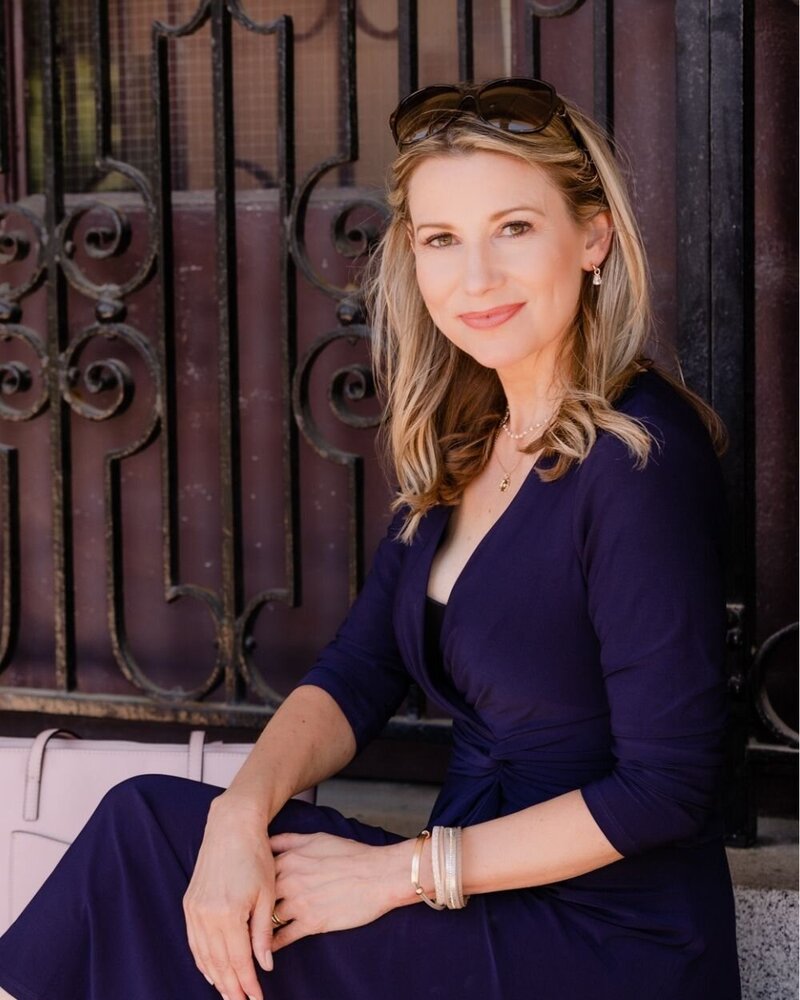
Dr. Kim Foster, MD. (photo credit: Tamea Burd Photography)

Enter your email address to follow my blog and receive notifications of new posts by email.

Join 1,195 other followers

Follow DrKimFoster on Twitter

Blog Stats

  • 42,957 views
I Blog @ YMC
Proud Member of the EmpowHER Blogger Network

Disclaimer

The content of this website is provided for informational purposes only. It is not intended to diagnose or treat disease. It is not a substitute for seeking medical advice or counseling. Always seek the advice of your physician or other qualified health provider with any questions you may have regarding a medical condition. You should seek medical attention before undertaking any diet, exercise or other health program described on this website.
Follow

Get every new post delivered to your Inbox.

Join 1,195 other followers