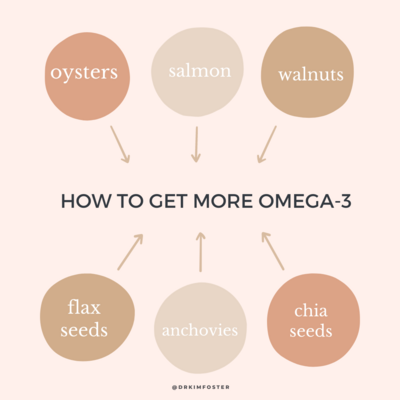

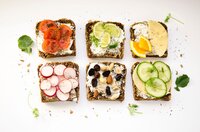




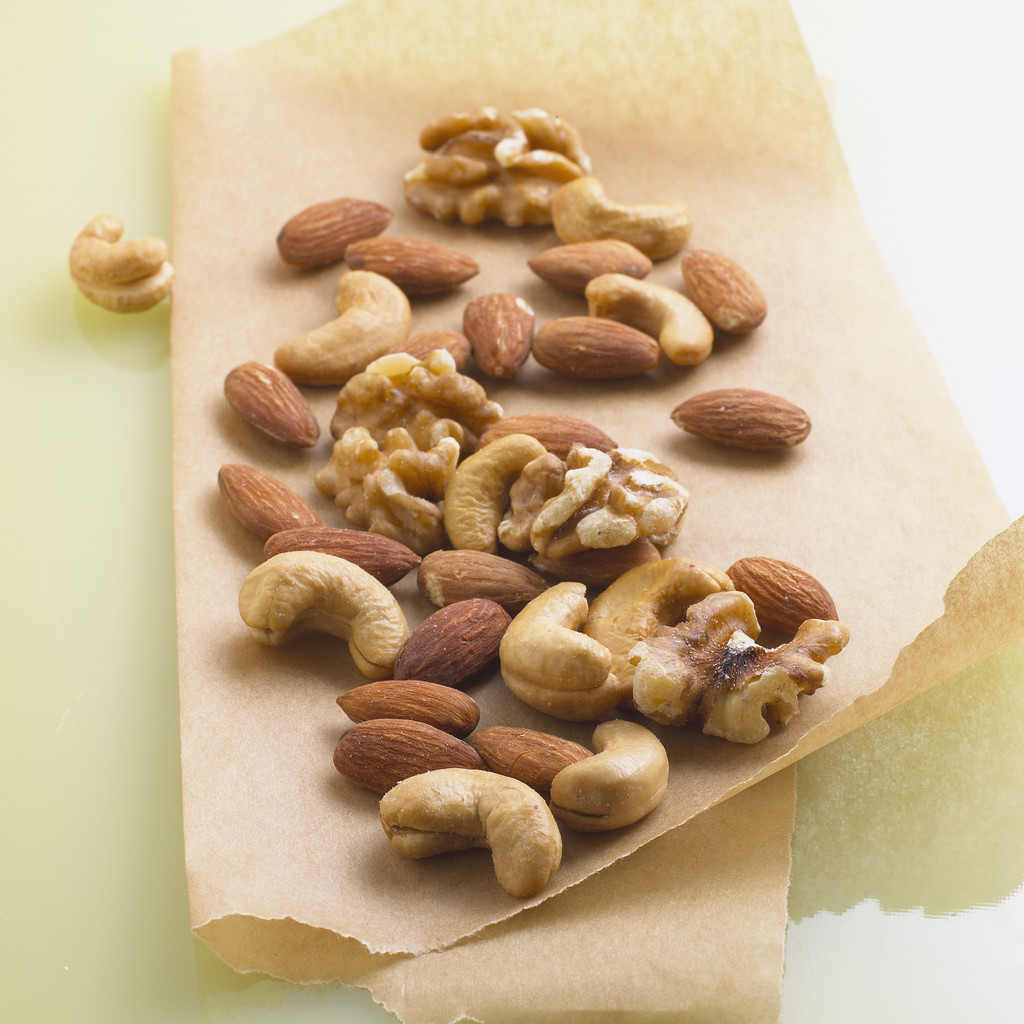
When I was younger I used to avoid nuts because of their high fat content. You too? Fortunately, we now know about the blissful thing called “healthy fat“. There’s no doubt, nuts do contain a lot of fat, but most of it is the monounsaturated kind (same stuff that’s in olive oil). And that sort of fat is good for your cholesterol profile, […]
Read More
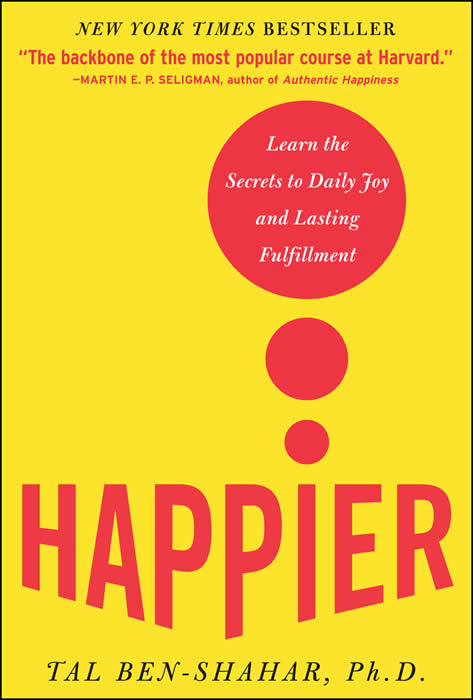
I often write about happiness on this blog; it’s a big interest of mine, professionally and personally. I also read about happiness a lot. Here are some of my favorite books: Happier, by Tal Ben-Shahar. Last year, this was the book that started me on my happiness journey and I re-read it often. It opened my eyes to the […]
Read More

I am not a dermatologist. BUT…I did spend a lot of time doing dermatology electives in medical school & residency. In the daily presence of dermatologists, I gleaned a couple of tips that I frequently recommend (and use myself) to this day. And I’m always surprised that many people don’t know about these products, given how often I […]
Read More

The holidays are over, but does that mean your stress has magically gone away? Didn’t think so. Dealing with stress, in my opinion, requires a multi-pronged approach…but not all of those prongs need to be complicated. Over on Yummy Mummy Club, I recently wrote a post about one easy thing you can do. (hint: are you getting […]
Read More

It sounds like the holy grail: Boost your metabolism, lose weight without even trying! Is such a thing even possible? All manner of supplements trumpet this claim. But to my mind, that seems pretty dubious. Chemicals to boost metabolism are out there for sure (meth, anyone?)…but they’re not always healthy. So, instead of that, are there […]
Read More

Sleep is delicious, restorative, and rejuvenating for your body and soul. But sometimes it doesn’t come easily. One way to improve the quality of your zzz’s? Via your stomach! Here are some ways you can nourish a healthy sleep…so sleep can nourish you. Eat a bedtime snack. Research has recently suggested that hunger may disrupt our hormonal balance of leptin […]
Read More


featured posts:
Do you feel like you’re doing everything right, but somehow you’re not moving any closer to your dreams? I get it. I felt like that for many years, and it’s something I’ve seen in many of my clients, too. You’re reading all the right books, setting goals, and changing your routine. Yet, you still don’t […]
READ THE POST
More from Around the Site

featured posts:
What if I told you there’s a blueprint for reinvention? And that if you follow the sequence exactly, you will finally become the person you know you’re meant to be? I know it sounds intangible and airy, but there’s a real 3-step method I’ve used personally and with my clients, and the results have been […]
READ THE POST
More from Around the Site

featured posts:
After years of coaching clients through identity change, I’ve noticed this pattern… Whenever someone feels stuck, they immediately assume the reason is “lack of motivation.” So they force more discipline, more willpower, and better morning routines… yet they still remain stuck. Why? Because they’re trying to fix the wrong thing. While it may look and […]
READ THE POST
More from Around the Site

featured posts:
I used to think I was just “the cautious one.” The one who hesitated, overthought, and took forever to make decisions. I told myself it was just my personality… because some people are naturally more careful than others, right? Turns out, hesitation is not due to caution. Rather, it’s a sign of low confidence. And […]
READ THE POST
More from Around the Site

featured posts:
If you want to change your life, you might feel tempted to blow things up overnight — quit your job, move abroad, change your entire personality. But transformation doesn’t come from drastic action. It comes from tiny actions that are repeated over time. The key to reinventing yourself is to think micro, shifting your life […]
READ THE POST
More from Around the Site

featured posts:
Productivity is not always down to how much energy or motivation you have. It actually has a lot to do with habits and unconscious behaviors — and if you’re unaware of them, you can end up losing years of your life to things that don’t matter. In this article, I’ll walk you through 4 things […]
READ THE POST
More from Around the Site


On the Air
The Wellness Project with
Dr. Kim Foster
The podcast for people who want to master the art of living well.
LIsten in
WORK WITH me
My Services
I help health & wellness coaches create successful businesses and get a steady stream of new clients, so they can have the freedom, fulfillment, and financial abundance they desire.
WORK WITH me

Enneagram 3, obsessed with Paris, running, and good coffee.
As an MD-turned-coach, I’m on a mission to provide women with the guidance, support, and tools they need to build wildly successful businesses as health & wellness coaches.
About me

Get On the List
Never miss an update, a YouTube video, or a special promotion of one of my programs. I share tips with my email subscribers that I don't share anywhere else.
Let's stay in touch.

Get My Free
Self-Sabotage Recovery Guide
When You Subscribe
A practical guide to help you recognize the hidden patterns keeping you stuck — and start taking action as the person you’re becoming.