






I used to think change was about discipline. If only I could cultivate more focus, better habits, and earlier mornings, I would finally achieve my dream life.
So I brought the snazziest color-coded planner I could find, downloaded all the habit tracker apps, and listened to endless self-improvement podcasts.
But guess what?
No matter how much I “improved,” I always ended up back at square one; tired, frustrated, and wondering why, no matter what I did, I just couldn’t seem to get ahead.
If you can relate, this week’s blog post and YouTube video are for you.
Through my own story and some fascinating research I’m sharing the real reason we get stuck and how to break free.
Spoiler alert: You’re not failing because you lack willpower.
Let’s dive into what’s really going on here!
Why Change Doesn’t Stick
Here’s what happens when we make surface-level improvements like using habit trackers, setting goals, and starting a journal.
It works initially, but eventually the momentum fades and you drift back to old patterns.
Now, this doesn’t happen because you’re lazy, unmotivated, or bad at following through. It happens because you’re trying to change by forcing new habits onto an identity that no longer fits.
We say things like, “I’m going to be more confident” or “I’m finally going to stop procrastinating.” But deep down, we still see ourselves as the shy one or the one who never follows through.
So every action we take eventually defaults back to the version of us we believe ourselves to be.
Real transformation doesn’t start with what you do. It starts with who you believe you are, and there’s fascinating research to back this up.
A Stanford study found that when people were asked, “Are you a voter?” instead of “Will you vote?” they were significantly more likely to show up at the polls.
Why?
Because it framed the action as part of their identity.
When we see something as who we are, not just what we do, we’re far more likely to follow through.
The Remodel Roadmap: The 3-Step Identity Update
When remodeling a house you can’t just slap on a new coat of paint and call it done. You have to go room by room, noticing what no longer belongs, tearing down what’s outdated, and rebuilding with intention.
That same process is required when transforming your identity.
Here is a preview of the 3-step Remodel Roadmap I teach inside my coaching programs. It’s the foundation of every reinvention I’ve guided, including my own.
1. Recognize – What’s currently running the show?
Before you can change your life, you have to recognize who’s driving it.
- What identity is shaping your choices right now?
- What roles or old stories still influence the way you show up, often without you realizing it?
For me, it was the outdated identity of being “the reliable one.”
As a doctor, I had always followed the rules, made practical choices, and never rocked the boat. This worked great until I realized I wanted to blow up my whole medical career and start something new on the internet. Not exactly on-brand!
For you, your outdated identity could be the overachiever who can’t rest, the people-pleaser who can’t say no, or the perfectionist who never feels “ready.”
Until you see the identity behind your behavior, you’ll keep repeating the same patterns, even when your goals change.
2. Redesign – Who are you becoming?
Once you see the old blueprint, it’s time to design a new one. Ask yourself, “If my life were already transformed, who would I be?”
What would your ideal self believe about herself? How would she speak, make decisions, or take care of her needs?
This step is about building a bridge between your present and your potential.
When I first started to feel restless in my medical career, I tried to ignore it, thinking I was just burnt out.
So I did all the usual surface-level upgrades, but what I really needed was a new internal label. Because I wasn’t “just a doctor” anymore, I was someone who wanted to teach, create, and build. And I had to permit myself to evolve into that.
3. Ritualize – Turn your new identity into evidence
Identity isn’t just about mindset; it’s about evidence.
You don’t become someone new by thinking differently; you become that person by living differently.
So what small, repeatable action could you take today that would reinforce your new identity?
It doesn’t have to be big. Maybe it’s saying no when you mean no, starting your day with intention instead of autopilot, or choosing rest without guilt.
3 Practical Ways to Reinforce Your New Identity
Once you’ve updated your internal story, the next step is to live it.
Here are three powerful ways to start embodying your future self today. I’ve seen these strategies work firsthand, with myself and my clients.
1. Create identity anchors
These are the small, physical or behavioral cues that remind you daily of who you’re becoming.
It could be:
- A morning ritual you never used to do.
- A phrase you say to yourself when you start to shrink
- A new way you walk into a room
When I started identifying as a creator, not just a doctor who wrote on the side, I changed how I began my mornings. Rather than starting it with emails or admin, I lit a candle, opened a blank doc, and wrote.
That ritual became my identity anchor. Not because it was “productive,” but because it aligned with who I wanted to become.
So ask yourself: What’s one small cue I can add to my day that reminds me who I’m becoming?
2. Collect micro-evidence
James Clear says every action you take is a vote for the kind of person you want to become.
I love that because it reminds us that identity change isn’t about giant leaps. It’s about small votes, cast daily.
This is grounded in self-perception theory, the idea that we come to know who we are by watching ourselves behave.
So ask yourself, “What would a confident version of me do right now?”
3. Borrow belief until yours builds
Becoming someone new is vulnerable. So sometimes, before you can believe in yourself you have to borrow belief from someone else.
That might be a coach, a mentor, a friend, or even a voice online that reminds you what’s possible.
Neuroscientist Dr. Tara Swart explains that exposure to new examples can literally rewire the brain. When you see someone doing something you thought “wasn’t for people like you,” your mirror neurons activate and your brain starts mentally rehearsing that version of reality.
That’s when it stops feeling foreign and starts feeling possible.
So ask yourself: Who can I borrow belief from when my own feels shaky?
Ready to Reset Your Identity?
In this week’s YouTube video, I dive deeper into the process of transforming your identity and stepping into the version of yourself you’ve been meant to become.
Watch it here:
And if you need further guidance, I invite you to join The Reset: My 5-day guided challenge that will help you shift your energy, your patterns, and your identity.
Resources:
- The Reset Challenge – FREE 5-Day Challenge To Reclaim Your Energy, Focus & Mindset
- The WellPlanned Method – Master Your Goals With The WellPlanned Goal Planner
- My Free Class for Health Coaches: How To Build A 6-Figure Health Coaching Business Using One Signature Program
- Dr. Kim on Instagram: https://www.instagram.com/drkimfoster/
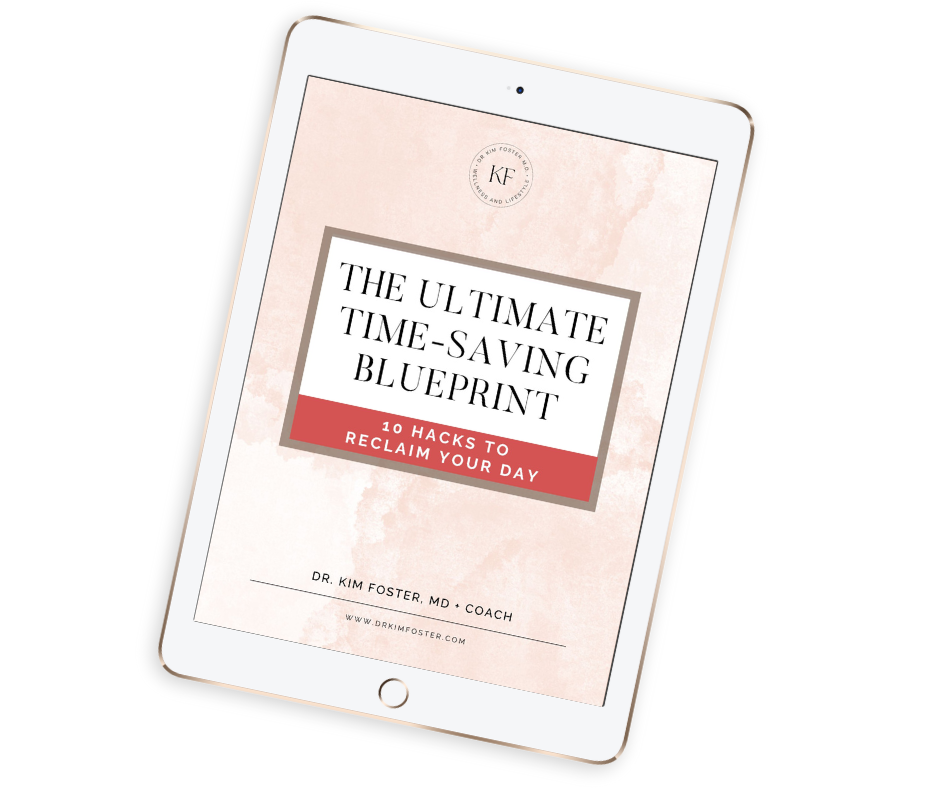
Download my FREE Ultimate Time Saving Blueprint

FREE CLASS!
Looking to take your wellness journey to the next level?
The 3 Secrets For Stepping Into A Meaningful New Career Without Wasting Time Or Money
- find out why health & wellness coaching is a skyrocketing industry that can provide the freedom and fulfillment you’ve been craving
- discover the 3 biggest myths about health & wellness coaching that will hold you back (and what the truth is instead)
- learn the secret sauce for getting amazing results for your clients (and building a profitable business as a wellness coach)
…and more!