






What if I told you there’s a blueprint for reinvention? And that if you follow the sequence exactly, you will finally become the person you know you’re meant to be?
I know it sounds intangible and airy, but there’s a real 3-step method I’ve used personally and with my clients, and the results have been truly life-changing.
This blueprint allowed me to walk away from my decades-long career in medicine, start a business on my own terms, build a YouTube channel, and speak on stages like TEDx.
And today I’m going to walk you through it.
Let’s get into step one.
Step 1: Recognize
When most of us decide to make a change or set a new goal, we go straight to action.
We adopt new habits, new routines, a whole new schedule. And for a few days, it actually works. We wake up early, follow through, and feel like we’re moving forward.
But then, very predictably, it stops.
Suddenly, we’re struggling to wake up early. We’re procrastinating and talking ourselves out of doing what we know we should do.
And the conclusion we come to? That we need more discipline.
But it actually has very little to do with discipline, and a whole lot to do with identity.
In psychology, there’s a term called ‘cognitive dissonance’ that explains how our brain doesn’t like it when our actions and our identity don’t match.
So if you want to build a consistent exercise routine, such as going for a run every morning, yet deep down you believe you’re not a consistent person, guess what happens when you start working out consistently?
Your brain creates tension because this new behavior is unfamiliar, and the brain hates the unknown. So while that tension can make you think that you’re doing something wrong or not being disciplined enough, what’s really happening is your brain is trying to keep you aligned with your old identity.
That’s why step one is to recognize the identity you’re actually operating from. Listen to how you describe yourself, even casually, such as:
- “I’m just not disciplined.”
- “I’m bad with money.”
- “I always quit.”
We say these things like they’re just observations. But they’re not. They’re instructions. And your brain is very good at following them.
This step is crucial because if you don’t recognize these thoughts for what they are (beliefs about your identity), you’ll keep trying to fix your life at the level of habits, while your identity quietly undoes every little bit of progress you make.
Step 2: Redesign
Most people approach change by trying to fix what they believe they’re doing wrong, whether it’s their habits, routines, or lack of confidence.
While this isn’t wrong, jumping straight into fixing misses out a crucial piece of the puzzle when it comes to redesigning your life.
Before action comes a decision; a decision about who you’re becoming, the identity you’re stepping into.
The clearer you get on what that identity is, the smoother the rest of the process will be. Because when something fits your identity, the friction basically disappears. You stop negotiating with yourself every day about whether to do it.
So instead of saying something vague like “I want to be healthier,” think of the type of person you need to become to be healthier. Someone who handles things early, someone who takes care of their body every day, someone who follows through.
The more specific you get, the more you can actually picture the person you need to become. With this level of clarity, your brain can start organizing your behavior around your new identity.
It also gives you a reference point. With every decision you make, you can ask yourself, “Is this what someone like me does?”
That question then allows you to take aligned action; action that gives your brain proof that you’re actually becoming the person you say you are.
Step 3: Ritualize
Without this third step, nothing will click. You can recognize your patterns and decide who you’re becoming, but if you don’t do this final thing, you’ll still end up right back where you started.
The thing that actually changes your life is repetition — the little actions you do day-in, day-out, which quietly tell your brain who you are and who you’re becoming.
Going back to the example of building a consistent exercise routine… The shift doesn’t come from deciding you’re going to start running, nor does it come from going out on that very first run.
It comes from all the times you woke up early and put on your running shoes, despite being tired, despite being busy, despite it raining. It’s this type of repetition that makes a habit automatic and updates your identity to someone who runs consistently.
Because once you reach this point, you no longer ask yourself, “Do I feel like going for a run today?” You wake up and think, “This is just what I do,” then go do it, regardless of whether you feel like it.
At this point, it’s not really about working out anymore. It was about reinforcing who you are becoming.
But I know what you’re thinking: how do you get to this point?
Reduce the level of thinking involved. Decide in advance: when this happens, I do this.
For example,
- When I wake up, I put on my running shoes and go outside.
- After dinner, I clean the house before sitting on the sofa.
- When I go to bed, I turn off my phone and grab the book on the bedside table.
And if you miss a day, don’t get discouraged. One missed day doesn’t undo your identity. What matters is what you do next. Do you return to the pattern, or do you return to the old story about yourself?
See This Remodel Method In Action
In this week’s YouTube video, I walk you through this blueprint in far more detail, sharing clear examples of how my clients handled each step of the process and built brand new identities.
And if you need some further guidance, I invite you to joinThe Reset. It’s a free 5-day challenge designed to help you interrupt your old patterns and step into a new identity that actually holds.
Instead of overhauling your whole life, the challenge will help you create one small shift each day — something you can actually follow through on and start building real evidence with.
More Resources:
- Identify The Patterns Keeping You Stuck with: Self-Sabotage Recovery Guide
- Dr. Kim on Instagram: https://www.instagram.com/drkimfoster/
JOIN THE INSIDER LIST!
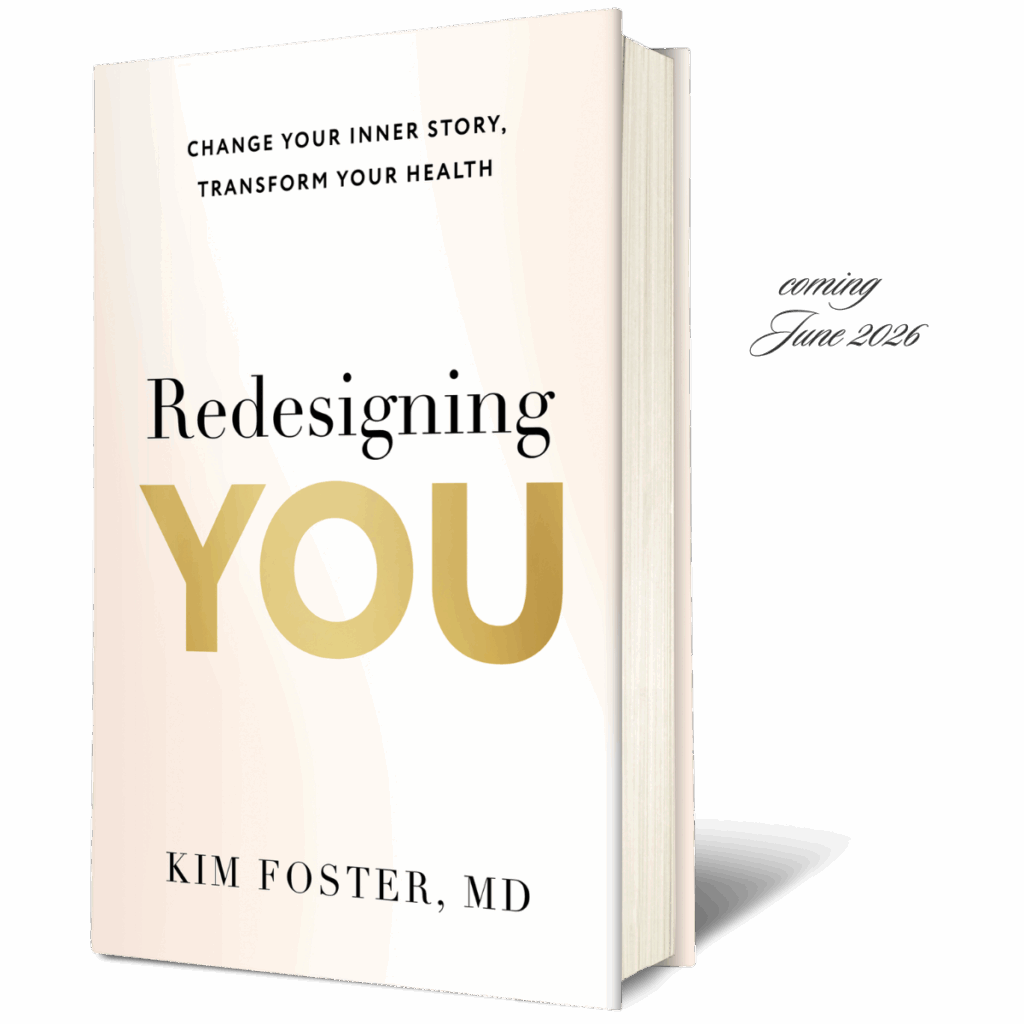
If you’re interested in my upcoming book Redesigning You, the Insider List is the best way to stay connected.
You’ll receive early updates, behind-the-scenes notes from the writing and publishing process, and first access to excerpts as they become available.
No spam. Just thoughtful updates, shared occasionally.